
News & Commentary
Latest Event
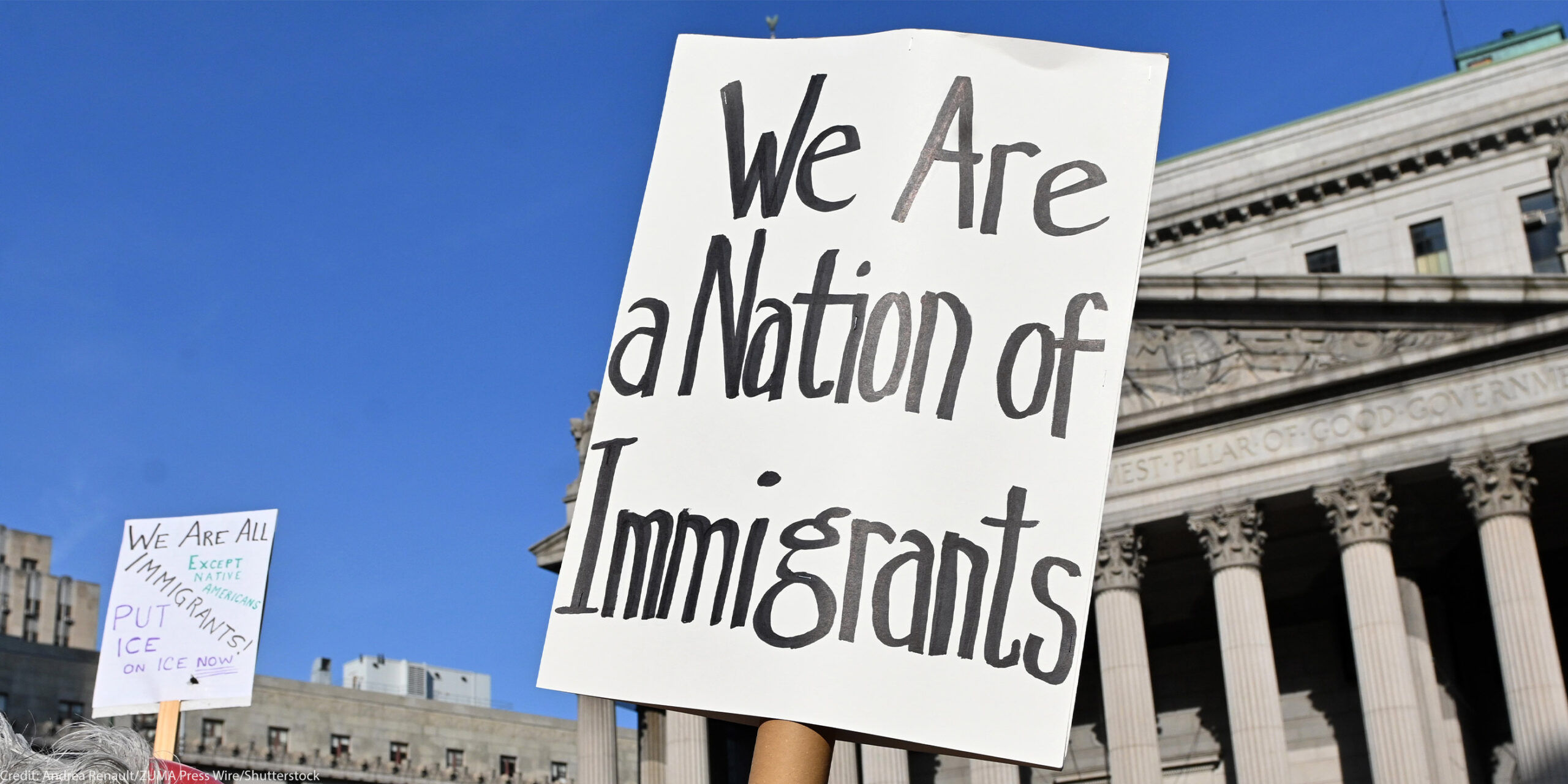
Love Thy Neighbor: Defend our Communities: Protect Our Democracy, Part 1
A Voter Registration Event and Community Training! This training facilitated by Dream Action Oklahoma will give you a breakdown of the authoritarian playbook, and help prepare you to make sense of the nonsense by sharing your power and tools to make a difference in your community. ACLU-OK will also provide free voting resources and voter registration.


The ACLU’s Historic Fight for Our Freedoms
As the nation prepares for a second Trump presidency, the ACLU has never been more focused on how to preserve and expand our most vital civil liberties and civil rights.

How “Stay-or-Pay” Contracts Are Used to Abuse Immigrant Workers
Shiny Lal came to the U.S. to chase the American dream, instead she found herself in an abusive employment contract that could cost her nearly $40,000. Today, we’re urging the world’s largest private dispute resolution company to stop abusing workers.

"I Thought That Death Was Imminent"
Jean Paul* fled civil war in Cameroon, risking his life on an arduous journey that included four days spent walking in the Darién Gap, to seek asylum in the U.S. Today, he’s ready to tell his story.

Disappearing Messages Don’t Work — And They’re Great
Disappearing messages features can’t actually guarantee message deletion, but what they do offer communicators is even better.
Attempts at a Technological Solution to Disinformation Will Do More Harm Than Good
Futile “content authentication technologies” are being pushed by companies and others.

The Electoral College: Why Are States Just Voting Now? | ACLU
The Electoral College meets December 17th to certify the results of the 2024 election, but why? The ACLU breaks down if the process is worth keeping.
Face Recognition Threatens to Replace Tickets, ID at Sports Events – and Beyond
You shouldn't participate in face recognition ticketing schemes.



Stay Informed
Sign up to be the first to hear about how to take action.
By completing this form, I agree to receive occasional emails per the terms of the ACLU’s privacy statement.
By completing this form, I agree to receive occasional emails per the terms of the ACLU’s privacy statement.