
News & Commentary
Latest Event
Love Thy Neighbor: Defend our Communities: Protect Our Democracy, Part 1
A Voter Registration Event and Community Training! This training facilitated by Dream Action Oklahoma will give you a breakdown of the authoritarian playbook, and help prepare you to make sense of the nonsense by sharing your power and tools to make a difference in your community. ACLU-OK will also provide free voting resources and voter registration.


Many Are Focused on the Wrong Questions When it Comes to AI
Do large language models have an inherent politics?

I’m a Columbia Student Journalist. I Watched Censorship Unfold on My Own Campus.
As an opinion editor for the Columbia Daily Spectator during a historic year of campus protests and federal scrutiny, I saw firsthand how student journalists navigated censorship fears, administrative pressure, and growing national attention.

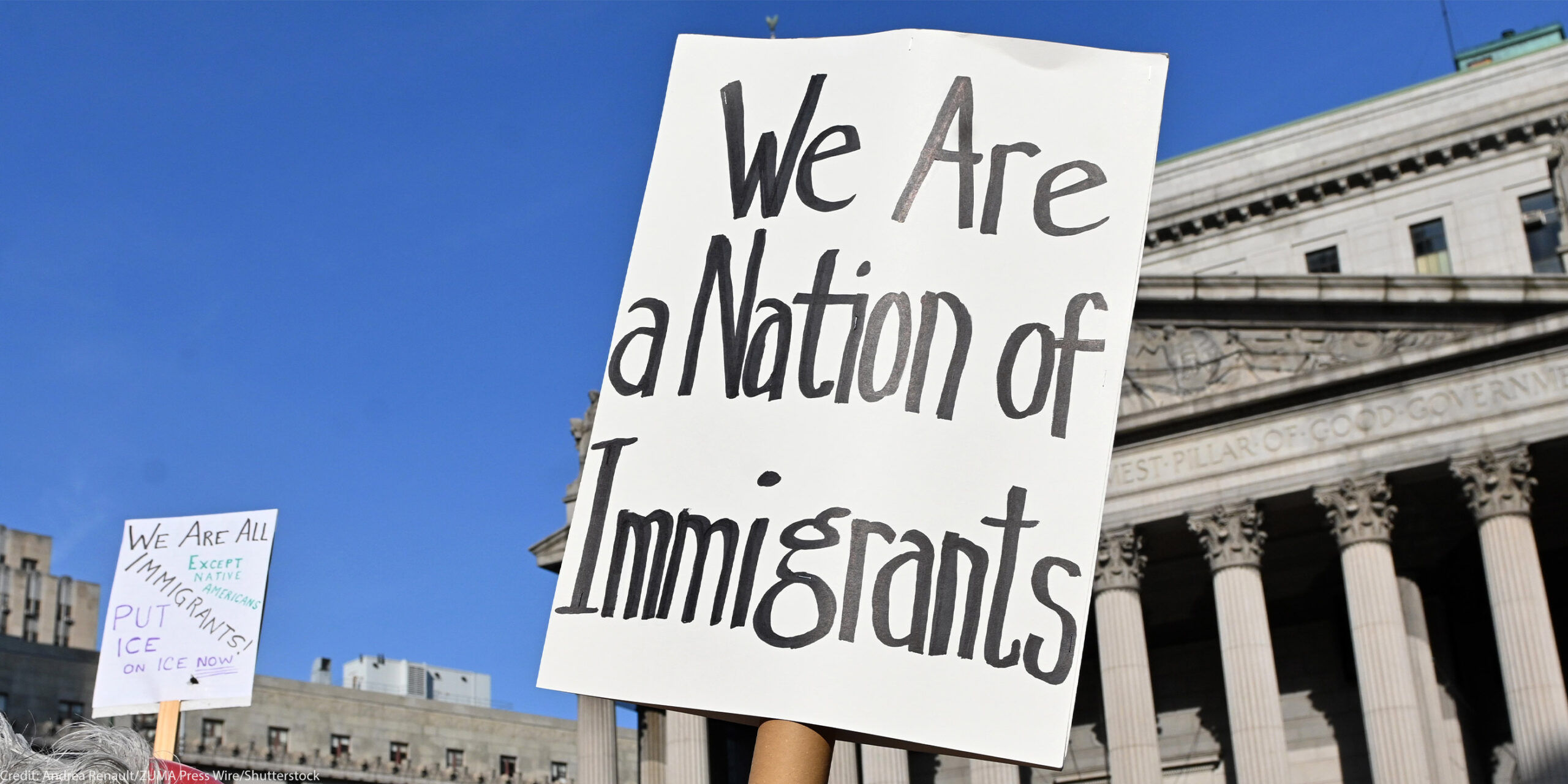
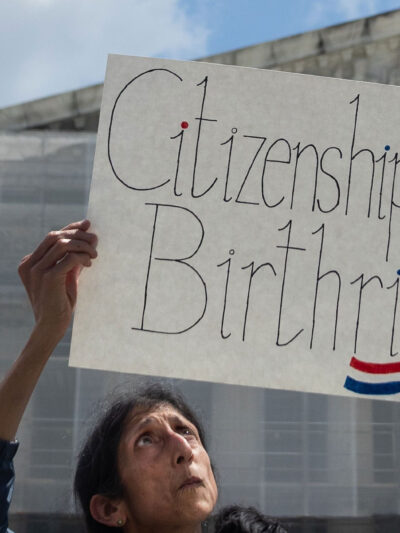
Trump's Birthright Citizenship Executive Order: What Happens Next
Children born to parents who are undocumented or have temporary status will retain their right to birthright citizenship. The ACLU explains how the legal fight unfolded.
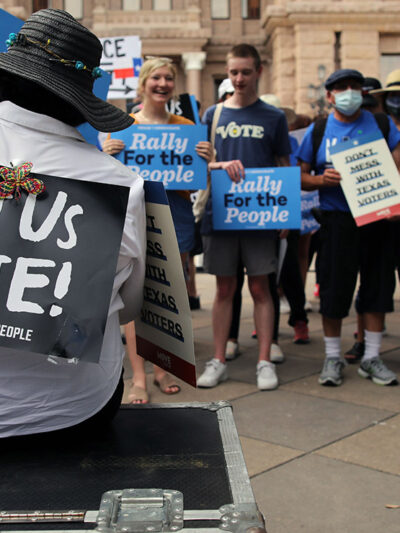
The Voting Rights Act at 60: A Legacy in Jeopardy, a Democracy at Risk
As the Voting Rights Act turns 60, its legacy is under siege—from courts, lawmakers, and a government retreating from enforcement. The battle to preserve it is now a fight for the future of democracy itself.

Trump's Attacks on Press Freedom Escalate: NPR, PBS Funding Cuts Explained
From funding cuts and executive orders to billion-dollar lawsuits, the Trump administration is mounting a historic assault on independent journalism and press freedom.

Your Questions Answered: The Supreme Court's Impact On Our Rights
The court's rulings—and its shifting procedures—signal lasting threats to civil liberties.

Accessible Voting is Under Attack 35 Years After the ADA
From restrictive legislation to inaccessible polling places, barriers persist that undermine the rights of voters with disabilities.
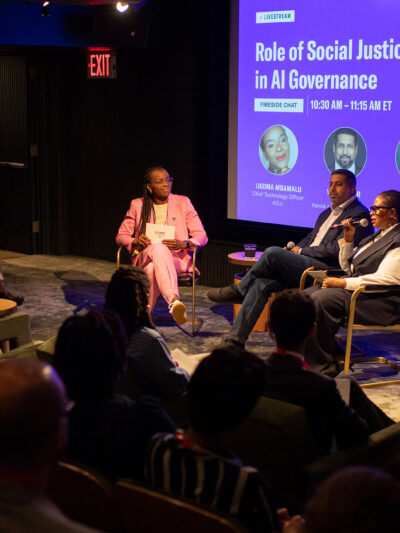
AI Could Exacerbate Inequality, Experts Warn
At the ACLU’s Civil Rights in the Digital Age AI Summit, leaders convened to evaluate the civil rights landscape of artificial intelligence and tech, and how we can call for policies that center privacy, fairness, and equity.
Court Strikes Down NIH's Unlawful Termination of Research Grants on Topics Including DEI and Gender Identity
In a sweeping rebuke, a court ruled that NIH’s actions targeting research involving "disfavored" topics and populations were unlawful, arbitrary, and capricious, and therefore void. Ibis Reproductive Health reflects on the harm done — and why this research matters.

Stay Informed
Sign up to be the first to hear about how to take action.
By completing this form, I agree to receive occasional emails per the terms of the ACLU’s privacy statement.
By completing this form, I agree to receive occasional emails per the terms of the ACLU’s privacy statement.