News & Commentary
Latest Event
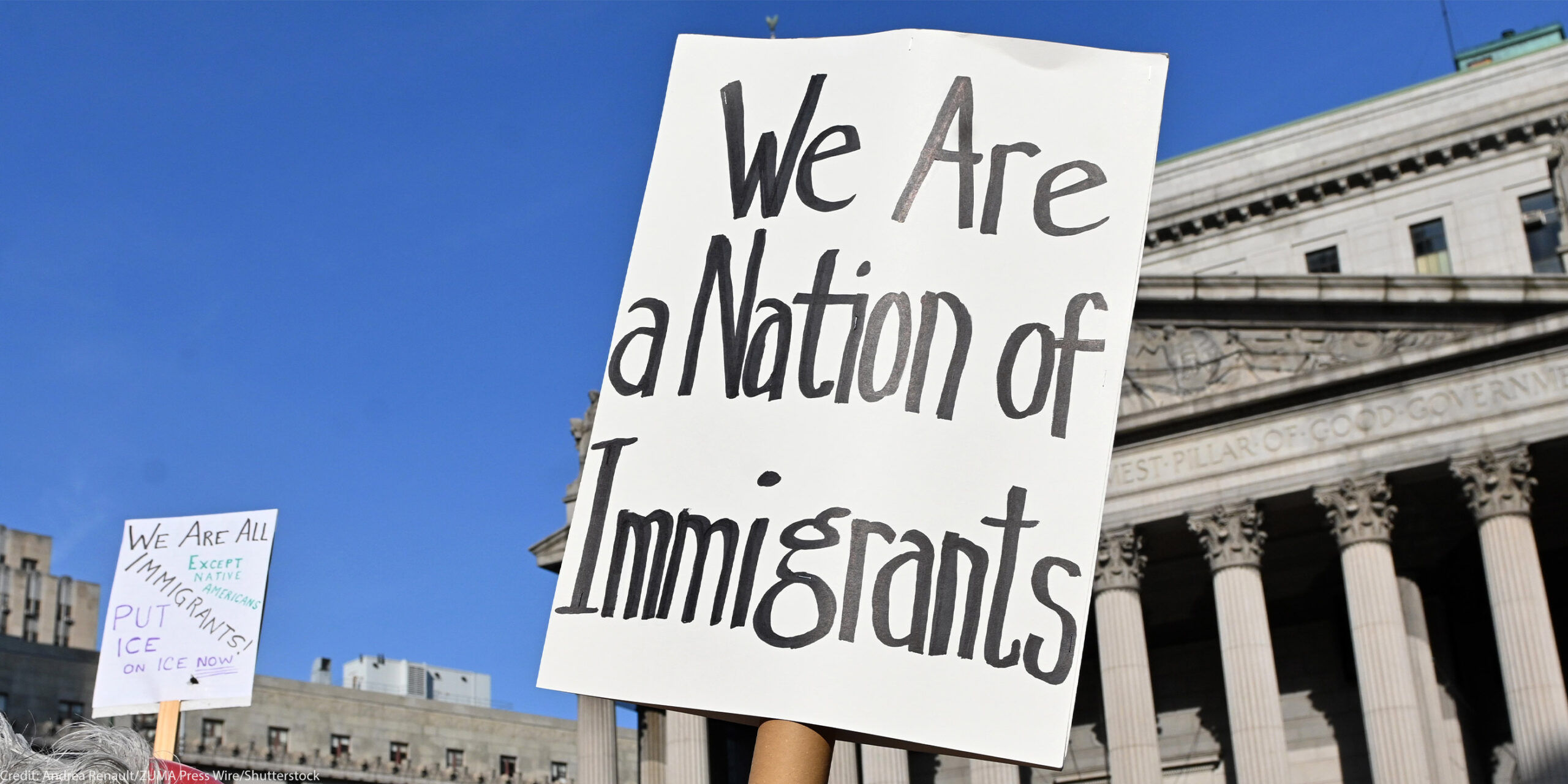
Love Thy Neighbor: Defend our Communities: Protect Our Democracy, Part 1
A Voter Registration Event and Community Training! This training facilitated by Dream Action Oklahoma will give you a breakdown of the authoritarian playbook, and help prepare you to make sense of the nonsense by sharing your power and tools to make a difference in your community. ACLU-OK will also provide free voting resources and voter registration.


Brandt v. Rutledge: What to Know About the Arkansas Trial on Gender-Affirming Care
"Being pushed out of the place I've live my entire life is hard," our client Dylan Brandt bravely testified in Little Rock this week.

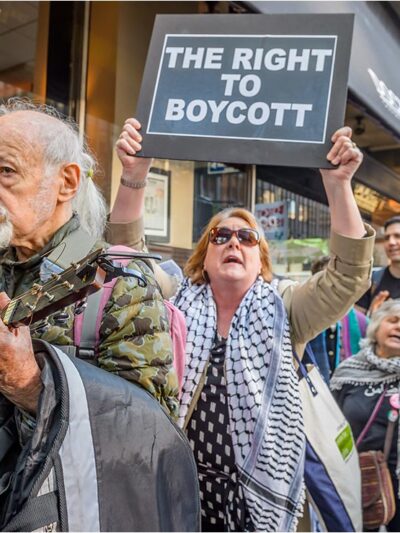
It’s Time to Reaffirm Our First Amendment Right to Boycott
The Supreme Court must affirm that politically-motivated consumer boycotts are protected by the Constitution.
Ask the Experts: How to Fight for Reproductive Freedom in Your Community
ACLU of Michigan volunteer Connie Horton-Kross tells us what inspired her to get involved and fight for the issues that matter to her.

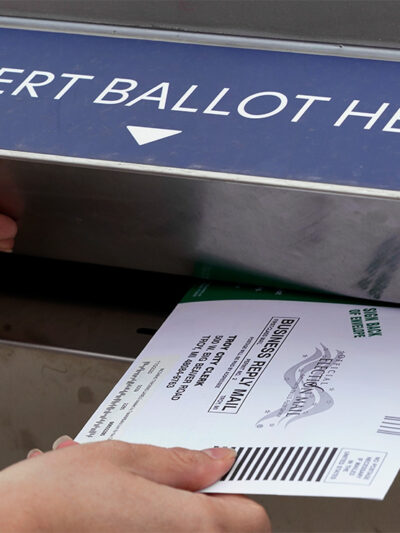
How to Fight for Your Rights at the Ballot Box
Here’s how the ACLU is educating and empowering voters across the country.
The US Government Gave Them Protection. Now It May Take It Away.
People with TPS humanitarian status call on Biden to take action.
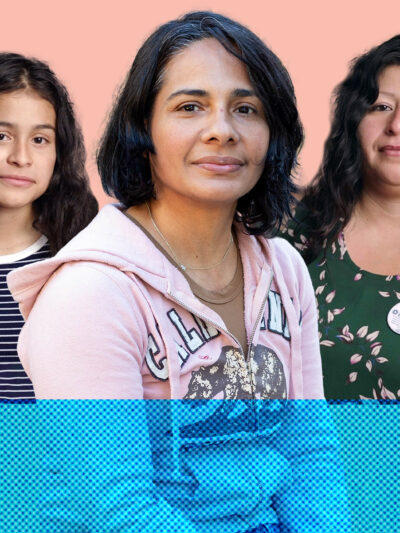
Hidden Taxes Don't Belong Anywhere, Least of All in Our Justice System
Fees in the justice system trap far too many people in a vicious cycle of debt and punishment. A burgeoning movement in states across the country is tackling this problem head-on.

Voting Rights Are Center Stage This Supreme Court Term
The Supreme Court is set to hear Merrill v. Milligan, a case about Alabama’s discriminatory congressional maps and Section 2 of the Voting Rights Act.

Stay Informed
Sign up to be the first to hear about how to take action.
By completing this form, I agree to receive occasional emails per the terms of the ACLU’s privacy statement.
By completing this form, I agree to receive occasional emails per the terms of the ACLU’s privacy statement.