
News & Commentary

Ending Indefinite Solitary Confinement for the Vast Majority of People with Death Sentences in Oklahoma
By Travis Handler
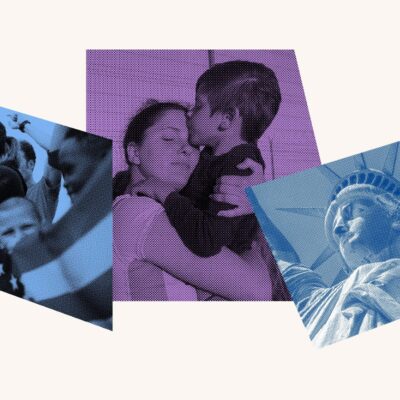

A Radical Supreme Court Term in Review
A look back at wins and losses for civil rights and civil liberties during this transformative term.
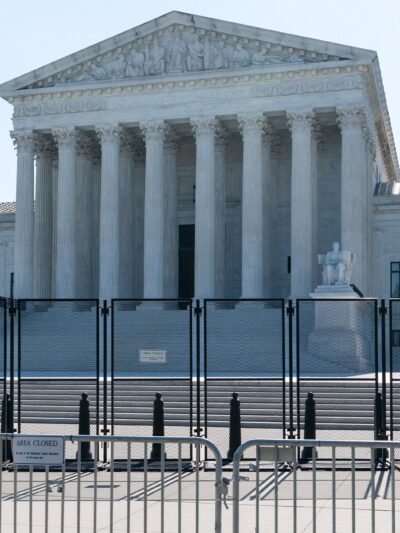
McGirt Stands: The Limits of Oklahoma v. Castro-Huerta
The State of Oklahoma has resisted McGirt and sought to simply renege on the promise at the end of the Trail of Tears, as noted by the Supreme Court when it held the reservation promised to the Muscogee Nation remains intact.
By Randy Bauman
The Supreme Court Benches the Separation of Church and State
The court has adopted an approach that would see the lines between church and state hopelessly blurred, if not eliminated altogether.
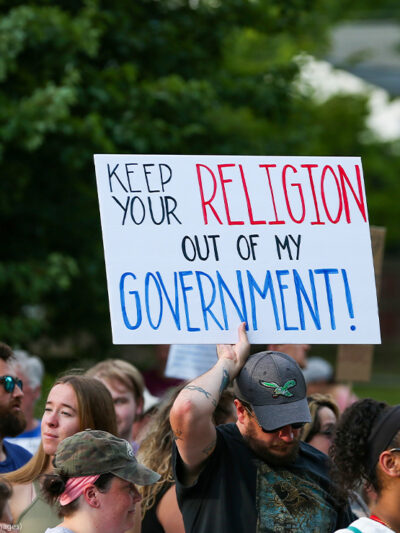
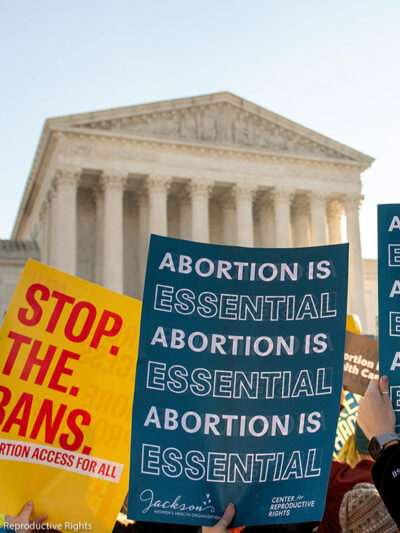
My View from the Frontlines of Abortion Access
As a clinic escort, I want people seeking abortion care to know we aren’t going anywhere.

Why We Use Inclusive Language to Talk About Abortion
Women aren’t the only people impacted by the fall of Roe v. Wade.

Four Things to Know About the Supreme Court's Ruling in Egbert v. Boule
The Supreme Court's ruling in Egbert v. Boule is a blow to federal police accountability, but border residents still have rights.

How LGBTQ Voices are Being Erased in Classrooms
Three LGBTQ advocates share how book bans and classroom censorship bills impact their lives, work, and students.


Stay Informed
Sign up to be the first to hear about how to take action.
By completing this form, I agree to receive occasional emails per the terms of the ACLU’s privacy statement.
By completing this form, I agree to receive occasional emails per the terms of the ACLU’s privacy statement.