Criminal Law Reform

Ending Indefinite Solitary Confinement for the Vast Majority of People with Death Sentences in Oklahoma

After years of working collaboratively with the Oklahoma Department of Corrections, we are proud to announce the end of indefinite solitary confinement for the vast majority of people incarcerated with death sentences in Oklahoma.

By Travis Handler

Latest Event


Not in My Name Coalition Meeting

Every Oklahoman must ask themselves not whether they support the death penalty, but rather: Do I trust the government with the power to kill its citizens—especially after catastrophic failures in the recent past?

Oklahoma's criminal legal system has failed to protect the innocent, those with serious mental health conditions, and individuals who have suffered adverse childhoods from execution. We cannot allow this to continue! Capital Punishment is racist, arbitrary, costly, and error-prone. It is time to end the death penalty once and for all.

The mission of the Not in My Name Coalition is to raise awareness, educate, and mobilize individuals and groups to take a stand against the use of capital punishment in the state of Oklahoma. Through our efforts, we strive to foster a culture of empathy by validating the humanity of people incarcerated on death row and advocating for their fundamental rights. Together, we declare, Not in My Name: we stand against the ultimate and irreversible act of state-sanctioned violence. Join the fight to end the death penalty in Oklahoma by becoming part of the Not in My Name Coalition. As a member, you will be informed of local events and rallies, gain a space to organize, and join a network of dedicated individuals who are committed to the work alongside you. Sign up now!

Capital Punishment

More from the Press


Placeholder image

Stay informed on civil rights issues. Discover our latest actions and updates in the Press Release section.

To End Systemic Racism, Ensure Systemic Equality

It’s not enough to take racist policies off the books. We must pursue systemic equality.

Girls in protest raising fists on pink background

No New Crimes, No New Fines

What We’re Asking from the Oklahoma Legislature in 2021 and Beyond

By

Placeholder image

The Streets Belong to the People — Always Have, Always Will

Public streets and roads are as deeply intertwined with our First Amendment rights as the idea of protest itself.
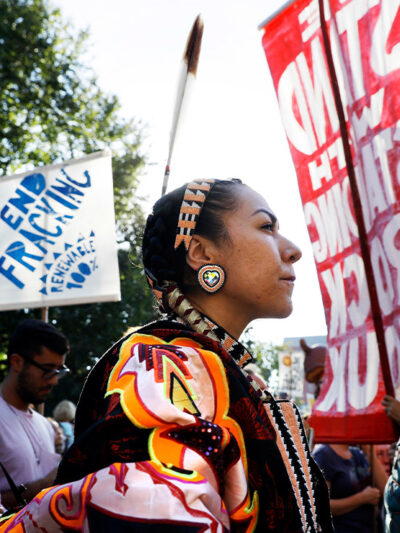
Angela Miracle Gladue, center, a member of the Frog Lake First Nations, attends a rally in support of the Standing Rock Sioux Tribe near the White House

What It’s Like to Face a Deadly Pandemic Behind Bars

Four formerly incarcerated people share their stories about what it’s like to be incarcerated during the pandemic, while friends and family members are left helpless on the outside.
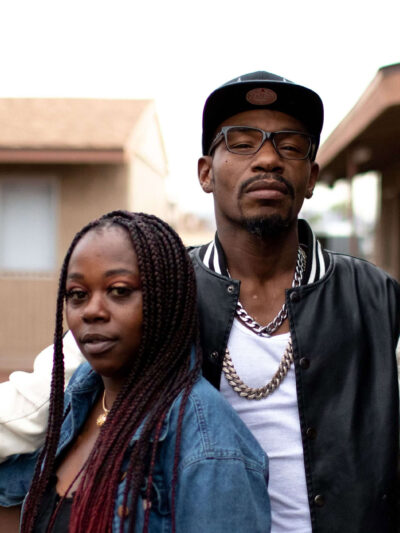
Hendrey Boykins in Phoenix, Arizona.

Why it’s important to take action

The pandemic, a social uprising, turmoil from the presidential election were just a few of the things that spurred action last year. Although 2020 was filled with trauma and confusion, it allowed Americans to reflect on their actions and their impact on communities. For some, this dark moment of civil liberties and civil rights inspired them to participate in protests and organize. Others used this time to share insightful resources on social media. Both forms of participation transformed the landscape of activism and its accessibility. The consistent attacks over the last four years have emphasized the desperate need for action.
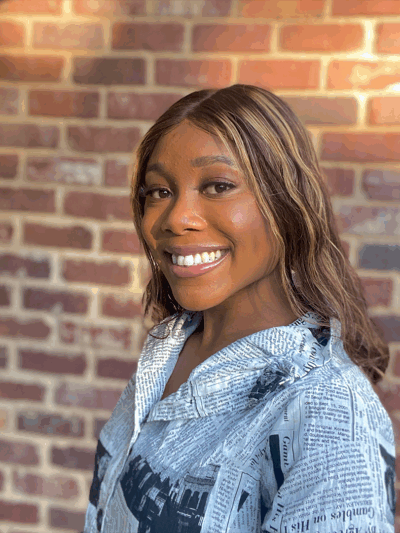
Arianna Morgan Headshot

What Does Free Speech Mean Online?

On At Liberty, we dig into how to reconcile social media bans and free speech rights.
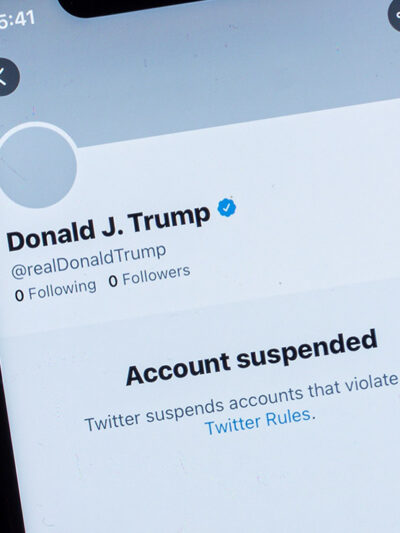
A smartphone showing Donald J. Trump's suspended Twitter account.

I’m Nonbinary. My Passport Should Show That.

The Biden administration must follow through on ensuring our right to an accurate ID that represents who we are.
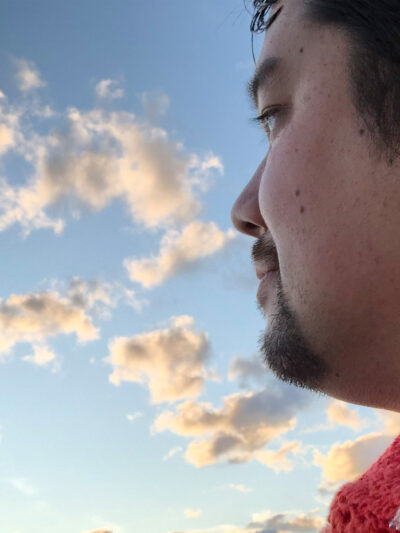
Shige Sakurai with the sky in the background.

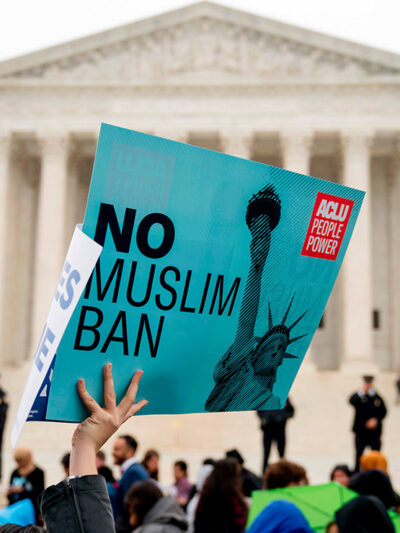
An End to the Muslim Ban is Just the Beginning

On our podcast, we take a look at what a post-Muslim ban world may look like for those who bore the brunt of this harmful policy.

A person holds up a sign that reads "No Muslim Ban" during an anti-Muslim ban rally at the Supreme Court.

What President Biden’s LGBTQ Executive Order Does and Doesn’t Do

The Biden administration has said they will follow existing federal law protecting LGBTQ people from discrimination — including in schools.

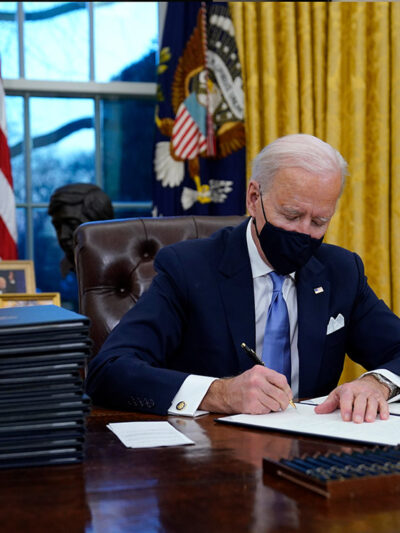
President Joe Biden signs his first executive order in the Oval Office of the White House.