
News & Commentary

Ending Indefinite Solitary Confinement for the Vast Majority of People with Death Sentences in Oklahoma
By Travis Handler


Remembrance, Resilience, and Response: Addressing An Epidemic of Violence Against Trans and Non-Binary People
Spencer Garcia, they/them/theirs, Paralegal, LGBTQ & HIV Project, ACLU
Each year on

President-Elect Biden’s Reproductive Freedom To-Do List
After four years of attacks on our reproductive rights and health by the Trump administration and the anti-abortion legislators it has emboldened around the country, there is much to repair. When President-elect Biden and Vice President-elect Harris take office, their administration must make it a top priority to not just undo the damage, but to take bold, visionary steps to make reproductive health care — including abortion — accessible to all, regardless of their income or ZIP code. Congress, too, has a key role to play in ensuring that everyone is afforded the dignity to make our own decisions about our lives.Here are just a few of the many items that should top our elected officials’ to-do list:Reverse dangerous Trump administration regulations targeting reproductive health care, including:

A Change in Administration Is Just A Starting Point For LGBTQ Justice
James Esseks, Director, LGBTQ & HIV Project, ACLU
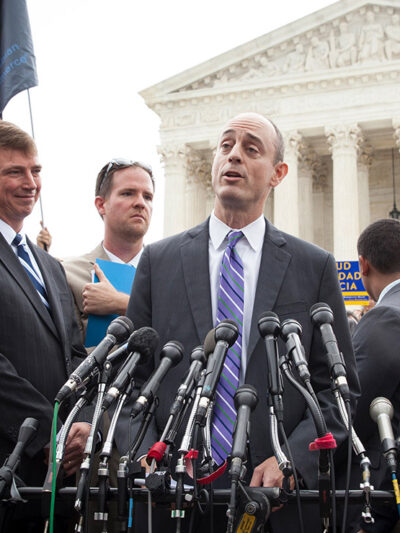
Securing Tenants’ Right to Counsel is Critical to Fighting Mass Evictions
Ian S. Thompson, Senior Legislative Advocate, ACLU
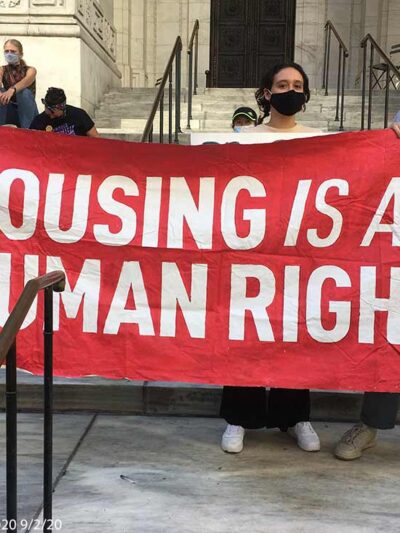
The Affordable Care Act — and With It, Our Civil Rights — Are Under Attack
Louise Melling, Deputy Legal Director and Director of Ruth Bader Ginsburg Center for Liberty, ACLU
Ask
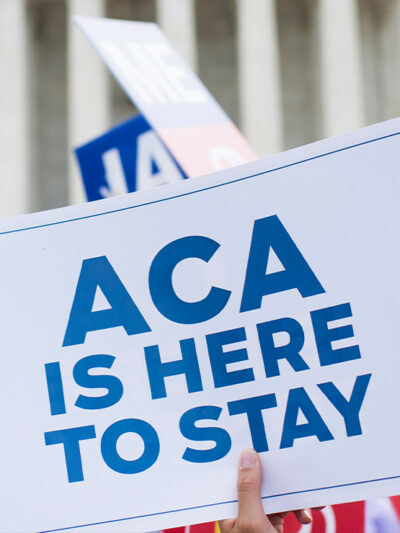
Putting Rap Lyrics on Trial is a Violation of Free Speech
Emerson Sykes, Staff Attorney, ACLU Speech, Privacy, and Technology Project

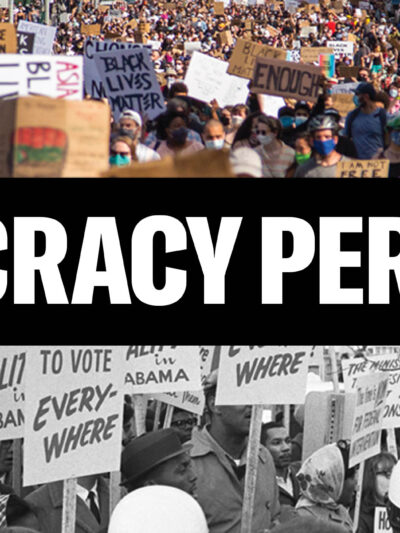
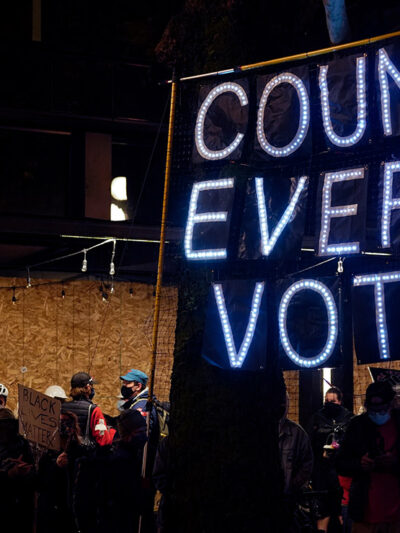
Racial Justice Demands That Every Vote Is Counted
As President Trump’s path to reelection narrows, his campaign has pursued legal challenges in battleground states. These challenges involve attempts to stop or challenge the vote counting process. Because of the record number of mail-in ballots cast during the pandemic, the votes affected by these last-ditch inquests are disproportionately those of mail-in ballots.
Criminal Justice Reform Takes Another Big, Messy Step Forward in 2020 Elections
Criminal justice reform was a key issue in Tuesday night’s elections, from the presidential race all the way down to municipal ballot initiatives. One exciting indication of just how far the movement to end mass incarceration has come? On Election Day it used to be possible to round up all reform-related electoral results in a few bullet points, but this week, there were so many criminal justice victories that it is impossible to summarize them all in a few paragraphs. Below are some of the highlights we were tracked most closely on election night. These results show a vibrant movement growing in strength and pushing into unchartered and difficult territory.
Stay Informed
Sign up to be the first to hear about how to take action.
By completing this form, I agree to receive occasional emails per the terms of the ACLU’s privacy statement.
By completing this form, I agree to receive occasional emails per the terms of the ACLU’s privacy statement.