
News & Commentary
Latest Event
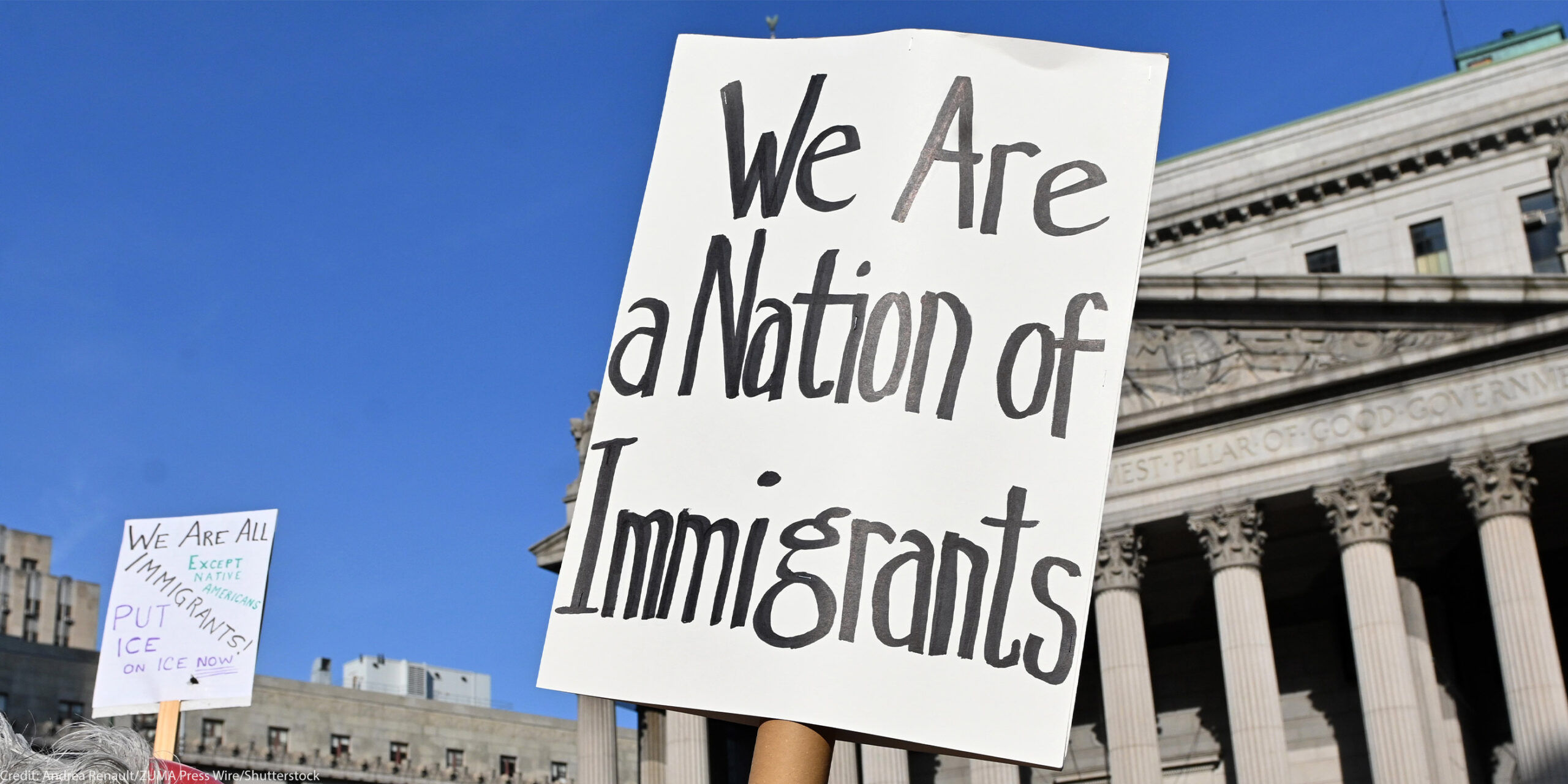
Love Thy Neighbor: Defend our Communities: Protect Our Democracy, Part 1
A Voter Registration Event and Community Training! This training facilitated by Dream Action Oklahoma will give you a breakdown of the authoritarian playbook, and help prepare you to make sense of the nonsense by sharing your power and tools to make a difference in your community. ACLU-OK will also provide free voting resources and voter registration.


Don’t Let the Supreme Court Open the Door to More Discrimination Against LGBTQ People
Gabriel Arkles, Former Senior Counsel, Transgender Legal Defense and Education Fund
The Supreme C
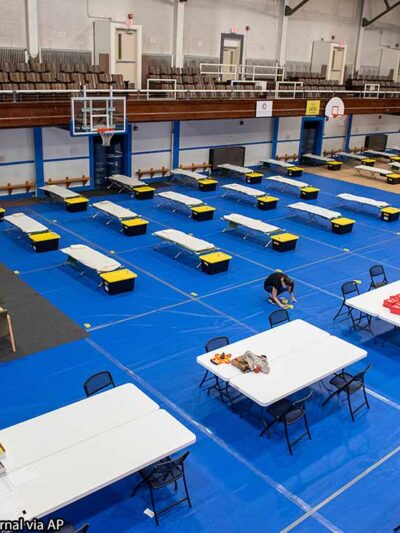
Attacks on Trans Athletes are Also an Attack on Intersex People
Alesdair H. Ittelson, Legal Director and Chief Operating Officer, interACT: Advocates for Intersex Youth
Intersex peop
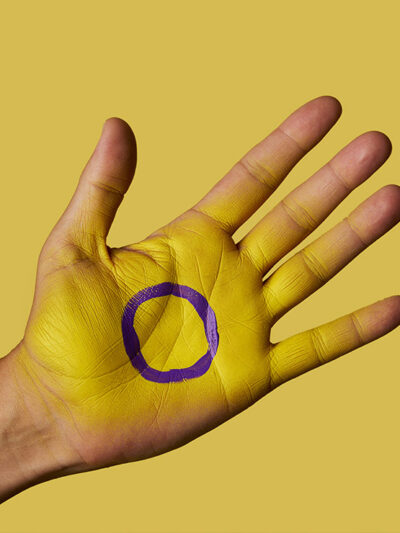
The Supreme Court Case That Could Jeopardize LGBTQ Rights
In March 2018, the city of Philadelphia learned that two of the agencies it contracted with to provide foster care services would not, based on religious objection, accept same-sex couples as foster parents. The city told the agencies their contracts with the city were in jeopardy unless they complied with basic nondiscrimination requirements.
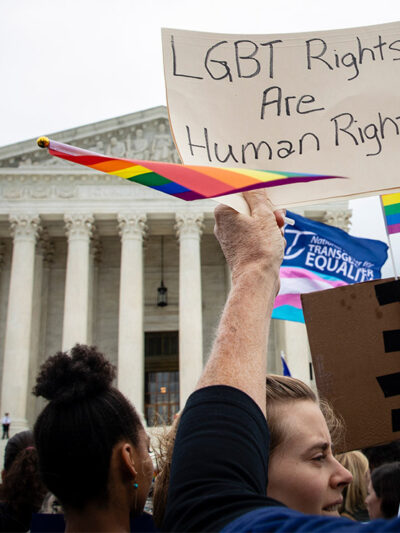
At the Polls, Episode 6: Your Voting Questions, Answered
When we launched the podcast miniseries, At the Polls, we asked listeners to send us their questions about voting this year. While over 44 million people have already cast their ballots, some questions remain about our rights and options as voters. Listen to the full podcast for your most frequent voter questions, answered.
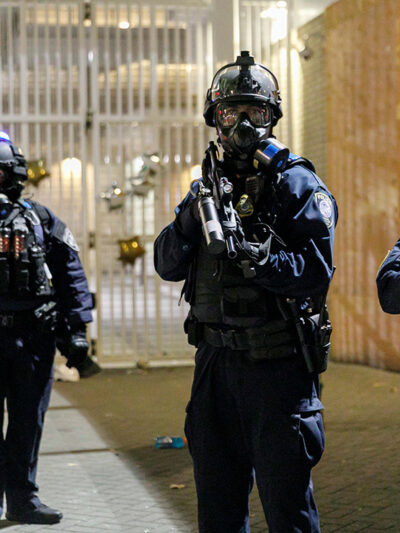
When Black Mourners are Threatened with Official Violence
Carl Takei, Former Senior Staff Attorney, ACLU’s Trone Center for Justice and Equality
In early June
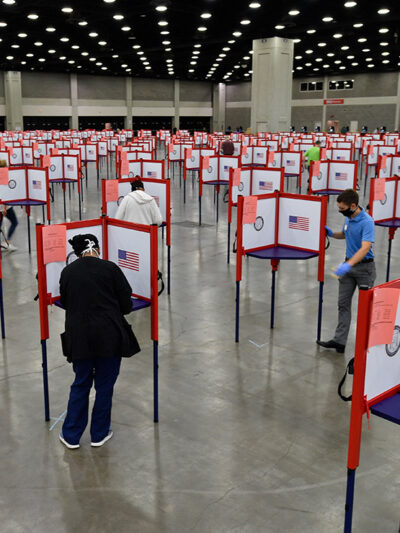
Eye on Civil Liberties: Where You Can Have an Impact in Elections Closer to Home
Ronald Newman, Former National Political Director, ACLU
The intense f
Let Trans People Vote
Do you have a plan to cast your ballot on November 3rd or before during early voting? We’re all are asking this question, but for many transgender people it invokes an extra layer of questions and anxiety. Will I need to show ID? If so, can I get my name and gender marker changed on my ID in time? Did I change my name on my voter registration? How should I dress? Will a poll worker embarrass me, out me, or challenge my identity? WIll I get harassed for being trans or some other reason? Transgender voters encounter a number of barriers that make exercising our right to vote complicated, intimidating and unnecessarily difficult.State ID laws have created a web of barriers for transgender residents to cast their ballot. There are around 378,450 voting-eligible transgender people across the country who do not have accurate IDs. And 81,000 transgender voters live in states with the strictest photo ID requirements.
Make an Informed Decision: Where the Presidential Candidates Land
Everything we’ve fought for is at stake in this election. Our right to protest a broken system, our right to equal treatment at work, and even our right to vote. It’s up to us to decide what comes next. The ACLU does not endorse or oppose candidates, but we do want to give you the information you need to make informed decisions. It is crucial that you study where the candidates land on the issues. See below for the presidential candidates’ positions on key civil liberties issues.

Stay Informed
Sign up to be the first to hear about how to take action.
By completing this form, I agree to receive occasional emails per the terms of the ACLU’s privacy statement.
By completing this form, I agree to receive occasional emails per the terms of the ACLU’s privacy statement.