
News & Commentary

Ending Indefinite Solitary Confinement for the Vast Majority of People with Death Sentences in Oklahoma
By Travis Handler
Latest Event
Write the Row: Holiday Cards Event
Join ACLU of Oklahoma, the Julius Jones Institute, and the Oklahoma Coalition to Abolish the Death Penalty for an afternoon of community and solidarity! Together, we will be writing holiday cards to the men on death row.
The purpose of the “Write the Row” program is to affirm the humanity of the men on death row and ease their feelings of isolations through letters of encouragement. During this event, we want to ensure that the men and their families feel supported throughout the holiday season.
Letter writing materials and snacks will be provided. Please join us and invite your own friends and families to attend!


Let Trans People Vote
Do you have a plan to cast your ballot on November 3rd or before during early voting? We’re all are asking this question, but for many transgender people it invokes an extra layer of questions and anxiety. Will I need to show ID? If so, can I get my name and gender marker changed on my ID in time? Did I change my name on my voter registration? How should I dress? Will a poll worker embarrass me, out me, or challenge my identity? WIll I get harassed for being trans or some other reason? Transgender voters encounter a number of barriers that make exercising our right to vote complicated, intimidating and unnecessarily difficult.State ID laws have created a web of barriers for transgender residents to cast their ballot. There are around 378,450 voting-eligible transgender people across the country who do not have accurate IDs. And 81,000 transgender voters live in states with the strictest photo ID requirements.
Make an Informed Decision: Where the Presidential Candidates Land
Everything we’ve fought for is at stake in this election. Our right to protest a broken system, our right to equal treatment at work, and even our right to vote. It’s up to us to decide what comes next. The ACLU does not endorse or oppose candidates, but we do want to give you the information you need to make informed decisions. It is crucial that you study where the candidates land on the issues. See below for the presidential candidates’ positions on key civil liberties issues.

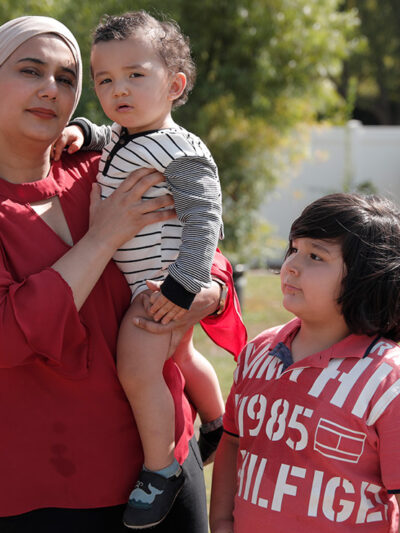
At the Polls, Episode 5: Why is Voting so Inaccessible to People with Disabilities?
Voters with disabilities make up the largest minority voting bloc in the country, but too often, voting is inaccessible. It’s a bigger problem than it may seem: One in four American adults has a disability and 45 percent have a chronic illness, including health conditions that impact their ability to vote safely during a global pandemic.
Let People Vote: Our Fight for Your Right to Vote During 2020
Dale Ho, Director, Voting Rights Project, ACLU
2020 has been

Why Are Police the Wrong Response to Mental Health Crises?
Over the last months on our podcast, At Liberty, we’ve explored different conversations on the subject of policing: abolition, violence and accountability, protest, and activism. This week, we dug into a topic that has gained more attention in the wake of Daniel Prude’s death in March at the hands of the Rochester Police Department: the startling connection between mental health-related 911 calls and police brutality.

The Trump Administration is Banning Talk about Race and Gender
Sarah Hinger, Senior Staff Attorney, Racial Justice Program, ACLU

Overhauling Our Immigration System Begins with Citizenship for All
Madhuri Grewal, Former Federal Immigration Policy Counsel, ACLU National Political Advocacy Department
As we approac
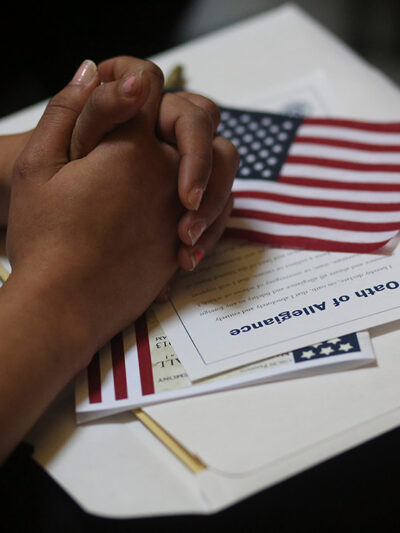
At the Polls, Episode 4: What Does it Take to Get Younger Voters to the Polls?
The younger you are, the less likely you are to vote. At least, that’s been the enduring trend in American politics for decades. But that trend is beginning to shift — today’s young voters are more engaged than ever before, and if they turn out in 2020 like they did in 2018, they could significantly impact the outcome of the election.
Stay Informed
Sign up to be the first to hear about how to take action.
By completing this form, I agree to receive occasional emails per the terms of the ACLU’s privacy statement.
By completing this form, I agree to receive occasional emails per the terms of the ACLU’s privacy statement.