
News & Commentary
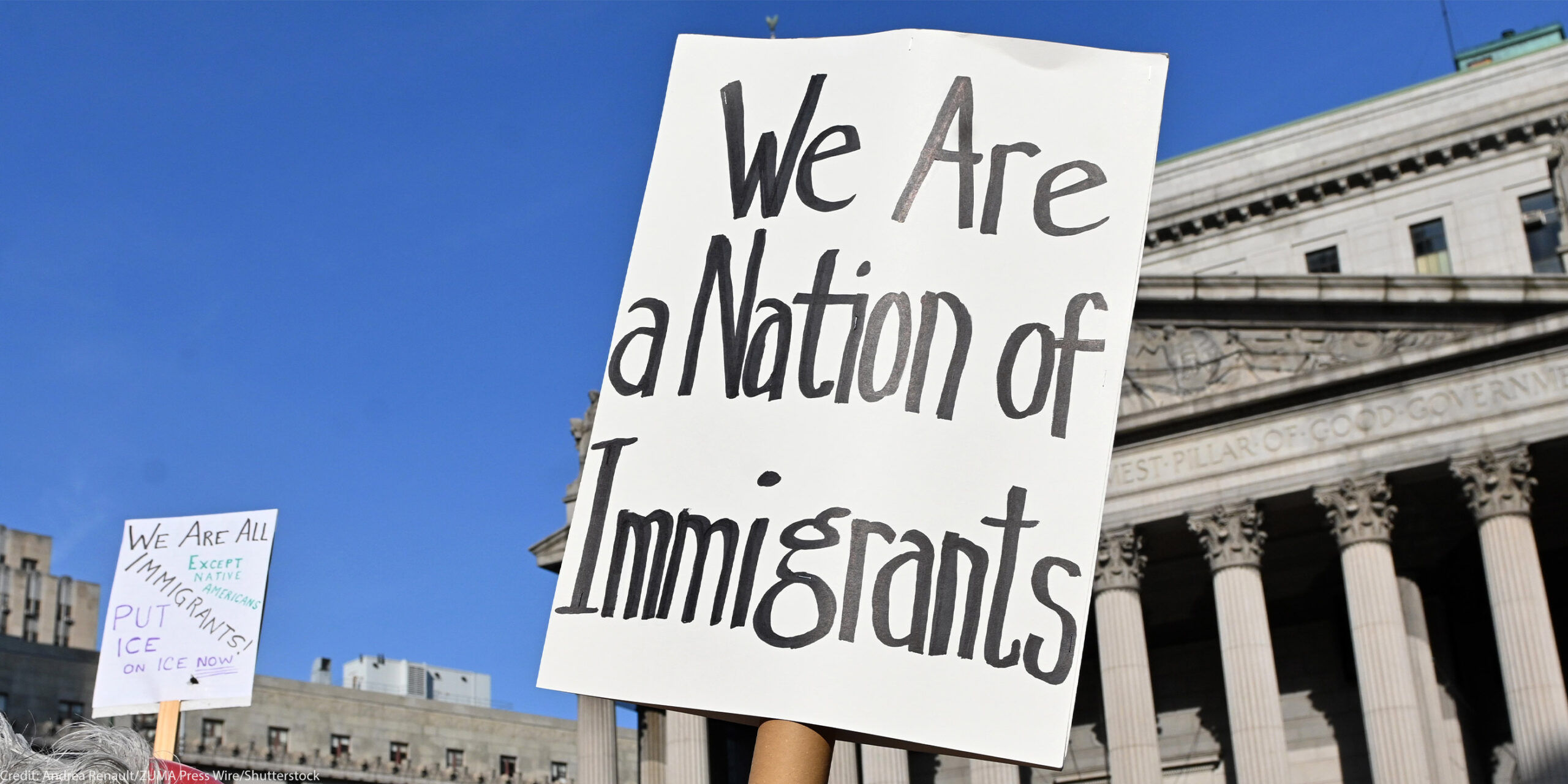
Latest Event
Love Thy Neighbor: Defend our Communities: Protect Our Democracy, Part 1
A Voter Registration Event and Community Training! This training facilitated by Dream Action Oklahoma will give you a breakdown of the authoritarian playbook, and help prepare you to make sense of the nonsense by sharing your power and tools to make a difference in your community. ACLU-OK will also provide free voting resources and voter registration.


The EARN IT Act is a Disaster for Online Speech and Privacy, Especially for the LGBTQ and Sex Worker Communities
Kate Ruane, Former Senior Legislative Counsel, ACLU
Afte

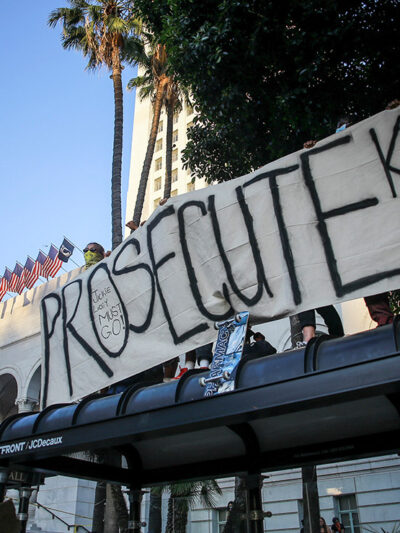
Why Prosecutors Keep Letting Police Get Away With Murder
Somil Trivedi, Former Senior Staff Attorney, ACLU Criminal Law Reform Project
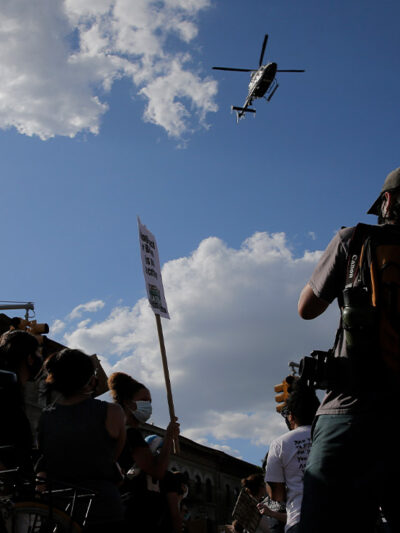
Protests, Aerial Surveillance, and Police Defunding
Jay Stanley, Senior Policy Analyst, ACLU Speech, Privacy, and Technology Project
For
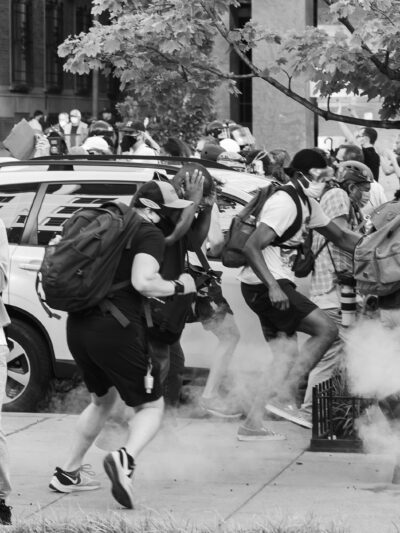
“All Hell Broke Loose.”
When Kishon McDonald saw the video of George Floyd’s murder at the hands of four officers from the Minneapolis Police Department, he could tell it was going to turn the country upside down. “I knew it was going to catch fire,” he said. McDonald, a former sailor in the U.S. Navy, watched over the following days as demonstrations against police brutality spread from Minneapolis to cities and towns across the country, eventually reaching Washington, D.C., where he lived. On June 1, he heard that people were planning to peacefully gather at Lafayette Square, a small park directly across from the White House, and decided to join them. By then, police had begun to attack and beat demonstrators in Minneapolis, New York, and others in states everywhere, escalating tensions as smaller groups broke into shops and set fire to police cars. But when McDonald arrived at Lafayette Square, he found a crowd of a few thousand people cheering, chanting slogans, and listening to speeches. Washington D.C. Mayor Muriel Bowser had imposed a 7 p.m. curfew after clashes the night before, but that was still an hour away. “Everybody there was like, it’s alright, we’re going to be here until 7 o’clock,” he said. “It was a very good energy.” It wouldn’t be long before that would change.
Pardon and Parole Board Review of Death Sentences: Two Paths
Julius Jones is seeking relief from his death sentence per a procedure clearly allowed by law and regulation.
By Randy Bauman

‘Black Lives Matter’ is About More than the Police
Patrisse Cullors, Black Lives Matter
Ever
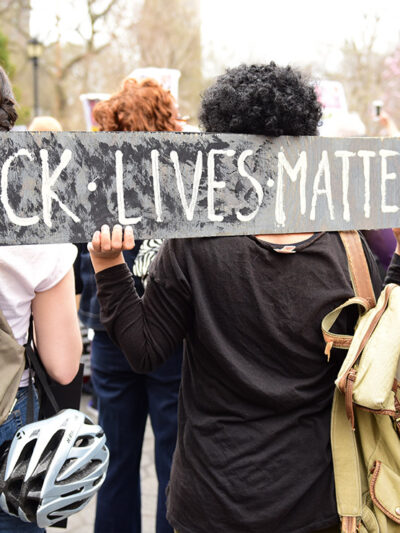
Black Communities Can Not Wait Any Longer. The Time to Divest Is Now.
Gillian Ganesan, Former National Campaign Strategist, American Civil Liberties Union
In t
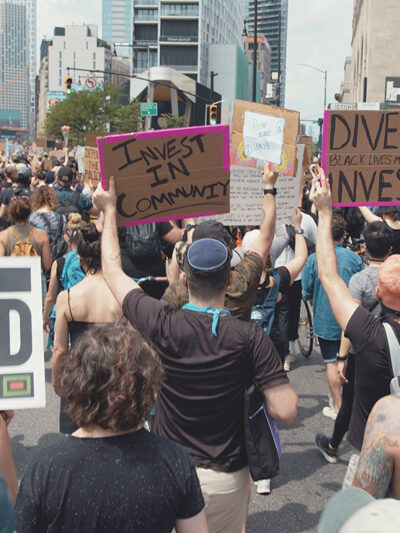
A Landmark Supreme Court Decision Affirms LGBTQ Rights
It’s been more than 50 years since Black and Brown trans women led the revolutionary Stonewall Riots, fighting back against police brutality and discrimination and launching a movement for equality. This week, we celebrated another incredible landmark in the fight for LGBTQ rights.
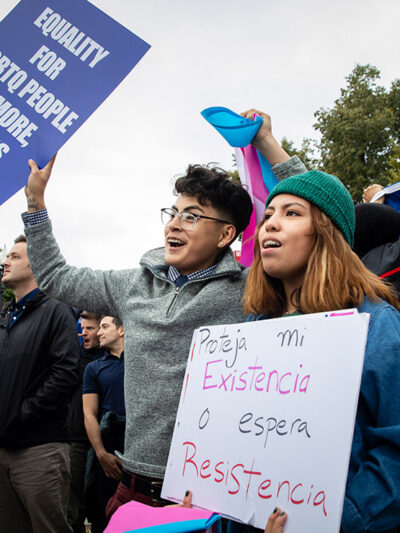
Local Officials: Pledge to Divest from Police and Reinvest in Black Communities
In the wake of the killings by police of George Floyd, Breonna Taylor, and many others, we are seeing a massive popular political realignment around the role and scope of policing in the United States, led by Black organizers and Black-led movement groups. More than ever before, this movement is calling for divestment from police departments, and reinvestment into the life-affirming services that help communities thrive.It’s not enough for local governments to make small cuts, to invest in yet another set of flawed training programs, or to paint the streets with slogans. Cities, towns and local leaders must undergo a reckoning with the political power of law enforcement organizations which have a long history of vigorously opposing any reduction in police power; the amount of money that has been stripped away from necessary public services in favor of militarized weaponry and surveillance technology; and violence by law enforcement that has been enabled by racist, invasive, and abusive police practices.The current spotlight on police violence provides a golden opportunity for local elected leaders across the country to take bold and swift action to reduce the footprint of police in Black communities and reallocate resources into alternatives to policing that keep communities safe and help them thrive.To achieve substantive change, local officials need to commit to:
Stay Informed
Sign up to be the first to hear about how to take action.
By completing this form, I agree to receive occasional emails per the terms of the ACLU’s privacy statement.
By completing this form, I agree to receive occasional emails per the terms of the ACLU’s privacy statement.