
News & Commentary
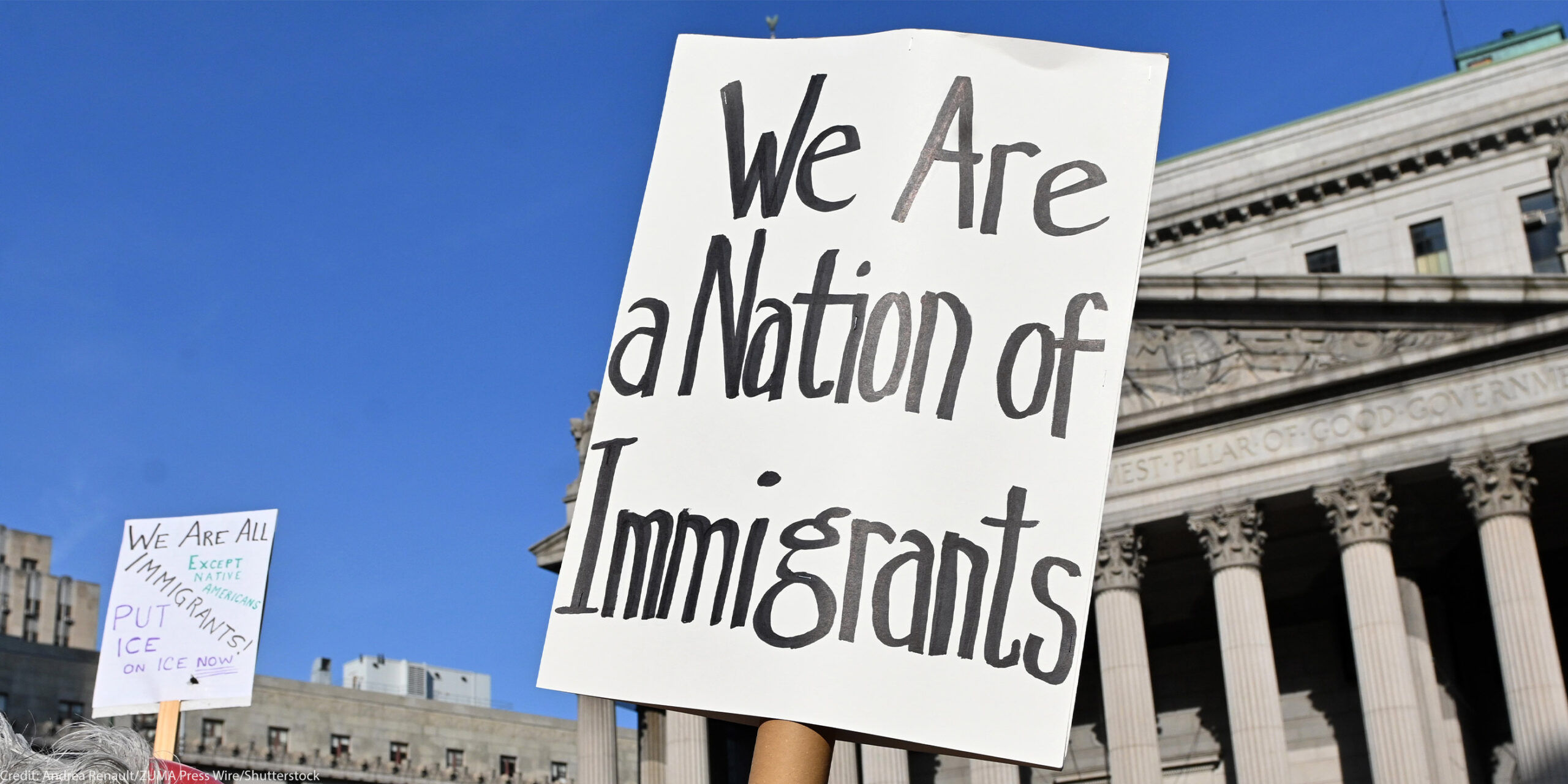
Latest Event
NextGen Meeting: Find your voice. Create change.
The goal of this program is to provide students with a place to meet other young advocates, connect with community leaders, and learn new skills and information that will allow them to be better advocates in their schools and communities.
The purpose of this first meeting is for students to get to know each other and meet community organizing leaders in OKC. Students will also have a chance to brainstorm ideas on how to approach pressing issues in their communities.


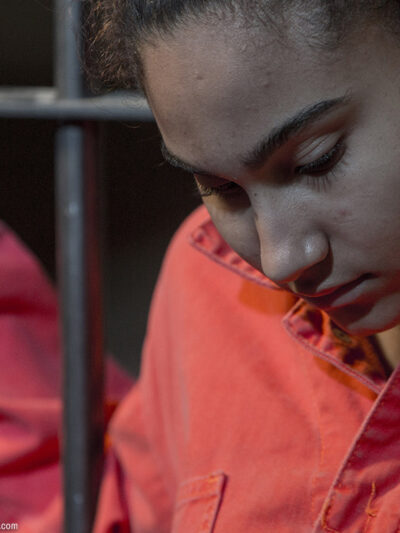
When a Two-Year Sentence Becomes a Death Sentence
Ruth Anna Buffalo, She/her/hers, Representative, North Dakota, North Dakota House of Representatives
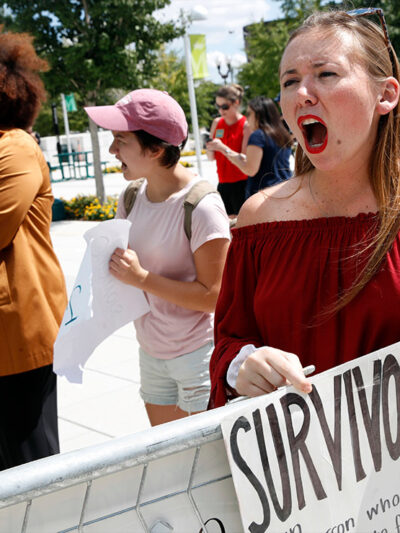
DeVos is Rolling Back Protections for Sexual Harassment and Assault Survivors in Schools. We’re Suing to Put a Stop to It.
Jennesa Calvo-Friedman, Staff Attorney, ACLU
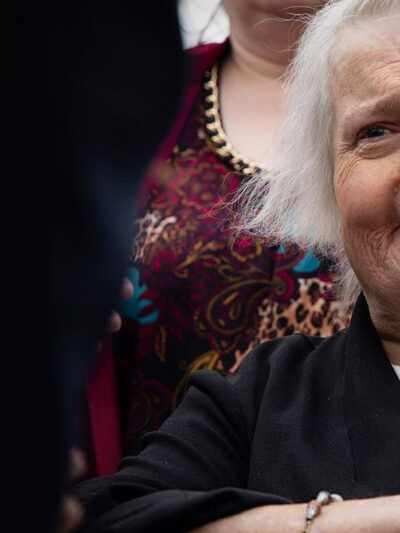
Thank You, Aimee
Aimee Stephens, a trailblazer in trans rights, passed away in her home this week at the age of 59. Together, we sued for discrimination after Aimee was fired from her job for being transgender. When Aimee decided to fight back, she just wanted it to be acknowledged that what happened to her was wrong. She ended up making history by bringing the Supreme Court its first trans civil rights case. Aimee died before the Court issued a decision on her case, but the fight for trans rights continues in her honor.
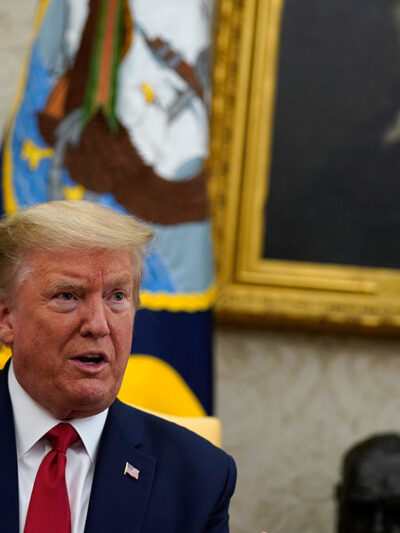
President Trump’s Assault On Inspectors General Threatens Our Civil Liberties
Kate Oh, Senior Policy Counsel, ACLU National Political Advocacy Department
One
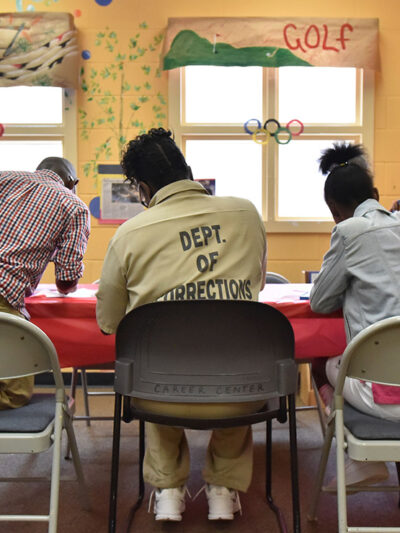
During COVID-19 Crisis, We Must Prioritize the Release of Pregnant People
Lauren Kuhlik, Equal Justice Works Fellow, ACLU National Prison Project
Tribes are Sovereign Nations: Oral Argument on McGirt v Oklahoma Start Today at the US Supreme Court
First there was Carpenter v Murphy (now Sharp v Murphy) and now the McGirt v Oklahoma case will be heard in front of the United States Supreme Court. Both, or more likely either, have big implications for Indian County, the state of Oklahoma, and any person who believes treaties should be respected. But here’s what you need to know going into today’s oral argument.
By
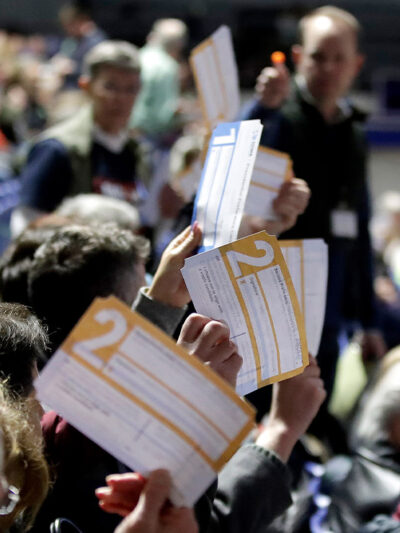
What the Caucuses Taught me About Inequities in our Electoral System
Vivian Alana Caesar, she/her/hers, Communications Intern, ACLU
Find
Our Vision for Equitable Marijuana Reform
Marijuana arrests clog the criminal legal system with people who should not be there. This puts even more people in harm’s way as COVID-19 threatens to devastate jails and prisons, where the virus can spread rapidly. Officials must respond by reducing both arrests and the incarcerated population. Learn more.Legalizing marijuana, while vital, is not enough to remedy the harms of decades of War on Drugs policies. Our new report,
OK Supreme Court Rules In-favor of Voting Rights
"Today’s Oklahoma Supreme Court ruling is a clear victory for Oklahoma voters. The unnecessary and burdensome requirement of getting absentee ballots notarized only served to make it harder for Oklahomans to participate in the democratic process. While the notary requirement has been an unnecessary hurdle for all absentee voters, it disproportionately hurt Oklahomans from marginalized communities, as well as those with compromised immune systems and senior citizens. The notary requirement is troubling in any election, but the current pandemic put it in stark relief as voters are being asked to choose between the recommendations of public health experts and exercising their right to vote. With today’s ruling the Court affirmed the legal right of Oklahoma voters to submit their absentee ballots on their own oath, under penalty of law, WITHOUT having to interact with a notary. This represents a tremendous step forward and we must continue to do everything possible to let communities vote safely and securely without compromising their health.”
By

Stay Informed
Sign up to be the first to hear about how to take action.
By completing this form, I agree to receive occasional emails per the terms of the ACLU’s privacy statement.
By completing this form, I agree to receive occasional emails per the terms of the ACLU’s privacy statement.