News & Commentary
Latest Event
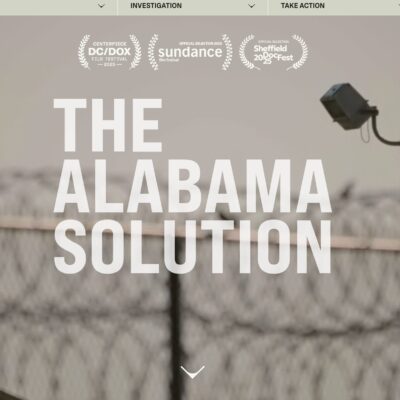
The Alabama Solution
Join us for an important screening of The Alabama Solution, followed by a community conversation around detention conditions in Oklahoma. The Alabama Solution is a powerful documentary that exposes the realities of Alabama’s prison system and centers the voices of those living within it. The brutality shown in the documentary is not unique. In a way, it shows every prison because of the violence and oppression that prison breeds. The film invites us to confront the human cost of incarceration, the forces that allow injustice to persist, and the urgent need for accountability and systemic change. Join advocates working across issues of incarceration, immigration detention, and the death penalty in Oklahoma for a community conversation after the screening that discusses how the film relates to what is happening in Oklahoma and actions you can take to fight injustice in our state.
Hosted by the Tulsa Artist Fellowship, the Julius Jones Institute, and the ACLU of Oklahoma, this event is free and open to the public. Light refreshments will be served, and we will be joined by local community organizations who will provide free resources and ways to stay involved in advocacy efforts.

Oklahoma Needs Healthcare Champions, Not Constitutional Con Artists
While most Oklahomans are aware that our legislature is meeting, it can be hard to follow along with what exactly is happening–so much of what goes on inside the Capitol is shrouded in layers of process and jargon. So, for months at a time legislators move their priorities through the various chambers, titles move on and off, amendments are submitted with little time to review, and major deadlines mean sometimes more than 100 bills are heard in a day. A handful of bills get signed into law in these early months, but often it seems like a sprint to get bills across the final hurdles as a state budget is wrapped up in May, and the public gets toplines of the best and the worst through legislative wrap up articles or coverage around effective dates. In an election year, all of that seems especially true, with many bills moving along party lines for the sake of partisan talking points and political scorecards. But then, you have bills like Senate Bill 1728, which poses an entirely different kind of danger.
By
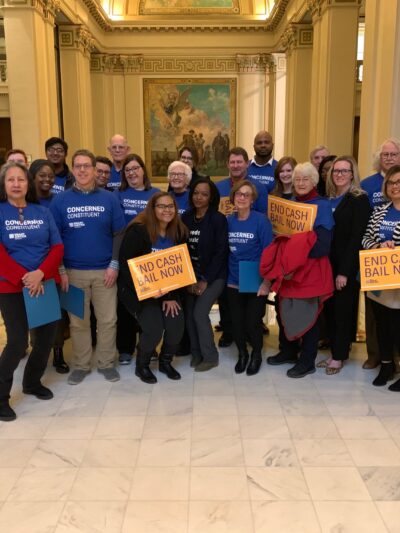
It’s Clear: In Oklahoma Cash Bail is Being Used as Ransom to Keep People Who Are Poor Behind Bars
In Canadian County, Oklahoma if you have the money, you get out of jail. If you are poor, you stay in. That’s why we sued.
Anti-Panhandling Case Headed to the 10th Circuit
On November 19th, our team will be in Denver, CO for oral argument in front of the 10th Circuit Court of Appeals in McCraw, et al. v. Oklahoma City, our free speech challenge against Oklahoma’s City’s anti-panhandling ordinance. This case is about protecting the freedom of speech for Oklahomans.
By Megan Lambert

If State Question 780 is Retroactive, Why Are Only Half of Eligible Oklahomans Being Released?
When Governor Kevin Stitt talks about being a top 10 state, a lot of folks envision a day like Friday, when Oklahoma is set to make history with the largest single-day of commutations in the history of the United States. But I believe when the Governor talks about giving the voters big, meaningful change that centers on best practices rather than politics, as usual, Oklahoma could do more. The Pardon and Parole Board has a chance to give the voters what they’ve asked for, and ensure that all 900 people serving time in prison for charges that today would carry no prison time have a chance at relief. But instead, reporting suggests less than half of the eligible folks will get the chance to return home.
By
Encourage Governor Stitt to Sign Tondalao Hall’s Commutation
On October 8th, 2019, Tondalao Hall received a unanimous vote by the Oklahoma Pardon and Parole Board to recommend her for commutation to Governor Stitt.

5 Years of Marriage Equality in Oklahoma
Sunday, October 6th, marked the five year anniversary of marriage equality in Oklahoma. After a decade of litigation, Bishop v. United States, the landmark civil rights case that overturned Oklahoma’s discriminatory ban on same-sex marriage, finally made its way through the appeals process…

We Created the Current Prison Lockdown
Last weekend, violence at 6 Oklahoma facilities led to 36 people being injured so badly they had to be transported away from prison for treatment, and the death of a 27-year-old man.
By
Stay Informed
Sign up to be the first to hear about how to take action.
By completing this form, I agree to receive occasional emails per the terms of the ACLU’s privacy statement.
By completing this form, I agree to receive occasional emails per the terms of the ACLU’s privacy statement.