
News & Commentary
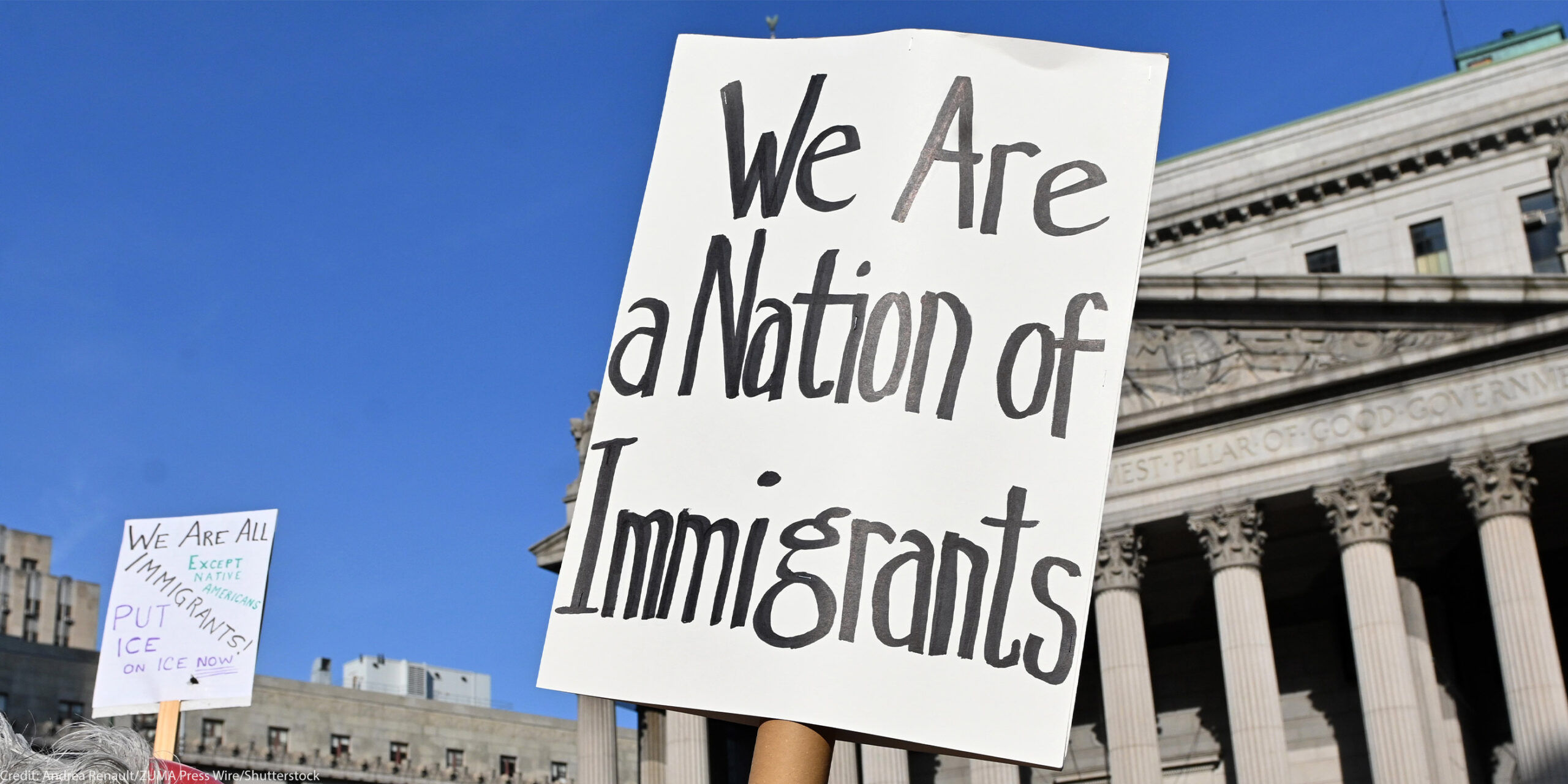
Latest Event
Love Thy Neighbor: Defend our Communities: Protect Our Democracy, Part 1
A Voter Registration Event and Community Training! This training facilitated by Dream Action Oklahoma will give you a breakdown of the authoritarian playbook, and help prepare you to make sense of the nonsense by sharing your power and tools to make a difference in your community. ACLU-OK will also provide free voting resources and voter registration.


This Family Just Reminded CBP We Don’t Lose Our Rights at the Border
Hugh Handeyside, Former Senior Staff Attorney, ACLU National Security Project
U.S.

We’re Suing to Protect Press Freedom During the COVID-19 Pandemic
Brian Hauss, Senior Staff Attorney, ACLU Speech, Privacy, and Technology Project
Few

When a Two-Year Sentence Becomes a Death Sentence
Ruth Anna Buffalo, She/her/hers, Representative, North Dakota, North Dakota House of Representatives

DeVos is Rolling Back Protections for Sexual Harassment and Assault Survivors in Schools. We’re Suing to Put a Stop to It.
Jennesa Calvo-Friedman, Staff Attorney, ACLU

Thank You, Aimee
Aimee Stephens, a trailblazer in trans rights, passed away in her home this week at the age of 59. Together, we sued for discrimination after Aimee was fired from her job for being transgender. When Aimee decided to fight back, she just wanted it to be acknowledged that what happened to her was wrong. She ended up making history by bringing the Supreme Court its first trans civil rights case. Aimee died before the Court issued a decision on her case, but the fight for trans rights continues in her honor.

President Trump’s Assault On Inspectors General Threatens Our Civil Liberties
Kate Oh, Senior Policy Counsel, ACLU National Political Advocacy Department
One

During COVID-19 Crisis, We Must Prioritize the Release of Pregnant People
Lauren Kuhlik, Equal Justice Works Fellow, ACLU National Prison Project
Tribes are Sovereign Nations: Oral Argument on McGirt v Oklahoma Start Today at the US Supreme Court
First there was Carpenter v Murphy (now Sharp v Murphy) and now the McGirt v Oklahoma case will be heard in front of the United States Supreme Court. Both, or more likely either, have big implications for Indian County, the state of Oklahoma, and any person who believes treaties should be respected. But here’s what you need to know going into today’s oral argument.
By

Stay Informed
Sign up to be the first to hear about how to take action.
By completing this form, I agree to receive occasional emails per the terms of the ACLU’s privacy statement.
By completing this form, I agree to receive occasional emails per the terms of the ACLU’s privacy statement.