
News & Commentary
Latest Event
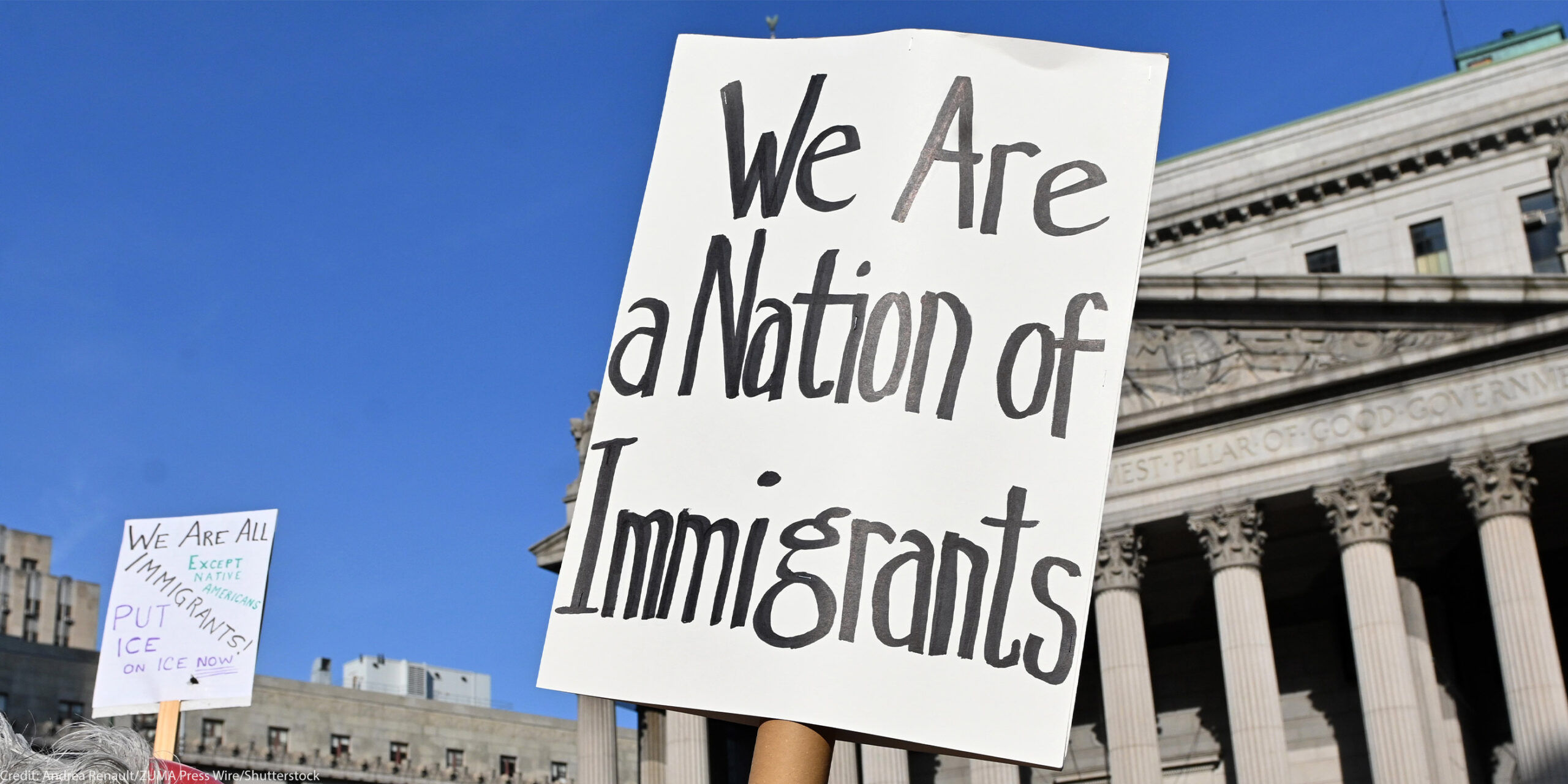
Love Thy Neighbor: Defend our Communities: Protect Our Democracy, Part 1
A Voter Registration Event and Community Training! This training facilitated by Dream Action Oklahoma will give you a breakdown of the authoritarian playbook, and help prepare you to make sense of the nonsense by sharing your power and tools to make a difference in your community. ACLU-OK will also provide free voting resources and voter registration.


Our Vision for Equitable Marijuana Reform
Marijuana arrests clog the criminal legal system with people who should not be there. This puts even more people in harm’s way as COVID-19 threatens to devastate jails and prisons, where the virus can spread rapidly. Officials must respond by reducing both arrests and the incarcerated population. Learn more.Legalizing marijuana, while vital, is not enough to remedy the harms of decades of War on Drugs policies. Our new report,
OK Supreme Court Rules In-favor of Voting Rights
"Today’s Oklahoma Supreme Court ruling is a clear victory for Oklahoma voters. The unnecessary and burdensome requirement of getting absentee ballots notarized only served to make it harder for Oklahomans to participate in the democratic process. While the notary requirement has been an unnecessary hurdle for all absentee voters, it disproportionately hurt Oklahomans from marginalized communities, as well as those with compromised immune systems and senior citizens. The notary requirement is troubling in any election, but the current pandemic put it in stark relief as voters are being asked to choose between the recommendations of public health experts and exercising their right to vote. With today’s ruling the Court affirmed the legal right of Oklahoma voters to submit their absentee ballots on their own oath, under penalty of law, WITHOUT having to interact with a notary. This represents a tremendous step forward and we must continue to do everything possible to let communities vote safely and securely without compromising their health.”
By

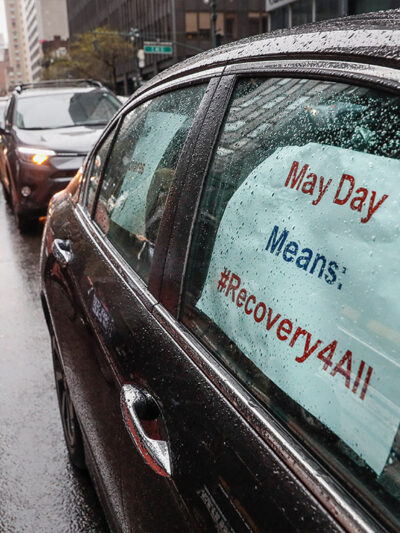
How to Protest in a Pandemic
For centuries, Americans have taken to the streets when they’ve had grievances to share. We’ve taken to the streets to make our voices heard, to effect change, and to feel and display the power and solidarity of mass gatherings. But with physical distancing and shelter in place orders prevalent throughout the U.S. and the world, how do we responsibly exercise our First Amendment right to protest, which remains as essential as ever? Undoubtedly, there is a medical imperative to keep ourselves and our neighbors safe, and our hospitals from becoming overwhelmed. At the same time, public debate about urgent political questions — from construction of the Keystone XL pipeline and southern border wall to when and how to reopen the country — remains more vital than ever. Current physical distancing measures have presented challenges, but people have found some creative ways to make sure their voices are heard. Here are just a few examples:
A COVID-19 Balancing Act: Public Health and Privacy
Some states are officially loosening their stay at home restrictions, and more will join in the coming months as Americans attempt to inch their way back to pre-COVID-19 life. Some of us will return to work, gather in small groups, and maybe even dine at a neighborhood restaurant.

COVID-19 Will Bring Mass Evictions Unless We Act Now
Linda Morris, Staff Attorney, ACLU Women's Rights Project
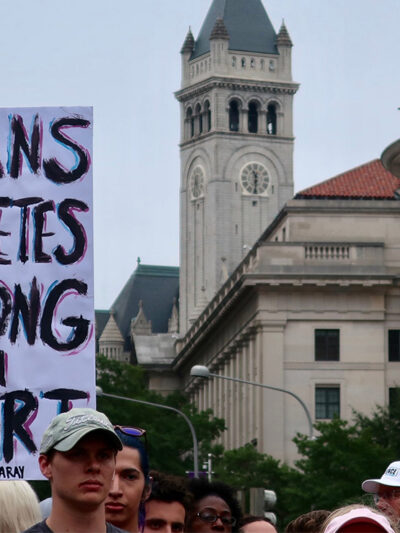
Four Myths About Trans Athletes, Debunked
Chase Strangio, Deputy Director for Transgender Justice, ACLU LGBTQ & HIV Project
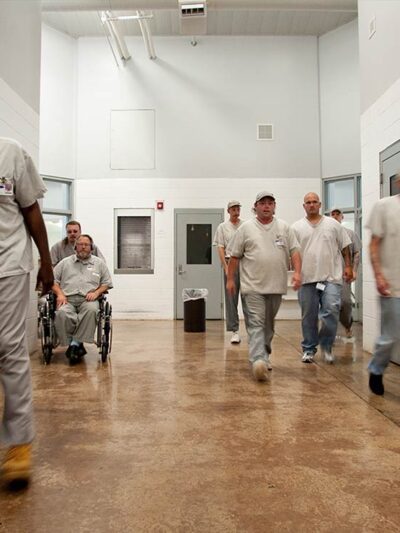
Federal Bill Would Release Vulnerable People from Prisons to Help Stop Spread of COVID-19
Kanya Bennett, Former Senior Legislative Counsel, American Civil Liberties Union


Stay Informed
Sign up to be the first to hear about how to take action.
By completing this form, I agree to receive occasional emails per the terms of the ACLU’s privacy statement.
By completing this form, I agree to receive occasional emails per the terms of the ACLU’s privacy statement.